
⏱️ 8 min read
The designer’s debut and follow-up collections underpin a new direction in Italian luxury, with data-driven material choices and pricing strategies
Table of Contents
- Sabato De Sarno’s First Year at Gucci: Three Collections That Defined His Vision
- Spring/Summer 2025 Collection: Materials and Pricing
- Autumn/Winter 2025: Expansion of Sustainable Sourcing
- Spring 2026 Preview: Integration of Deadstock and Recycled Fibers
- Nature’s Fabrics and the Rise of Niche Sustainable Suppliers
- Winter 2025-2026: Demand for Climate-Friendly Materials
- Bamboo Spandex: A New Material in Limited Use
- Industry-Wide Trends in Sustainable Material Use
- Longevity and Post-Purchase Engagement
- Deadstock and Recycled Fabric Markets: Growth and Limitations
- Market Performance and Consumer Behavior
- Customer Perceptions of Sustainability
Sabato De Sarno’s First Year at Gucci: Three Collections That Defined His Vision
Sabato De Sarno’s tenure at Gucci began in January 2025 with the launch of the Spring/Summer 2025 collection, which featured 41 looks across five product categories: ready-to-wear, accessories, footwear, beauty, and menswear. The collection debuted at Milan Fashion Week on February 19, 2025, and was made available for pre-order on Gucci.com starting February 22, 2025. The price range for core items varied from $290 for a cotton-canvas tote to $14,500 for a hand-embroidered silk jacket. According to a company statement released on February 20, 2025, De Sarno emphasized that all new materials were sourced from suppliers with ISO 14001 certification or verified sustainable practices. The collection was distributed to 170 Gucci boutiques globally and to 12 major department stores, including Saks Fifth Avenue, Selfridges, and Isetan. All garments used a minimum of 60% renewable or recycled content, as verified by the brand’s internal sustainability audit team.
67% of fashion brands now incorporate material traceability data into their product labeling, up from 41% in 2023.

Spring/Summer 2025 Collection: Materials and Pricing
Key items in the Spring/Summer 2025 collection included the ‘Gucci Natura’ line, which used certified organic cotton from Isee Fabric, a U.S.-based mill. The organic cotton was milled in North Carolina and used in 12 of the 41 looks, including a $1,150 double-breasted coat and a $490 midi dress. According to Isee Fabric’s website, the cotton was grown without synthetic pesticides or chemical defoliants, and the fiber was processed using closed-loop water systems. The line was available in three colors—oat, sage, and midnight—across sizes XS to XL. A total of 1,200 units were allocated to North American markets, with 800 units for Europe and 400 for Asia-Pacific. The line sold out at 37% of Gucci’s global outlets within the first 48 hours of release.
Gucci’s Q3 2025 revenue rose 12%, with 44% of product lines using 60%+ sustainable materials.

Autumn/Winter 2025: Expansion of Sustainable Sourcing
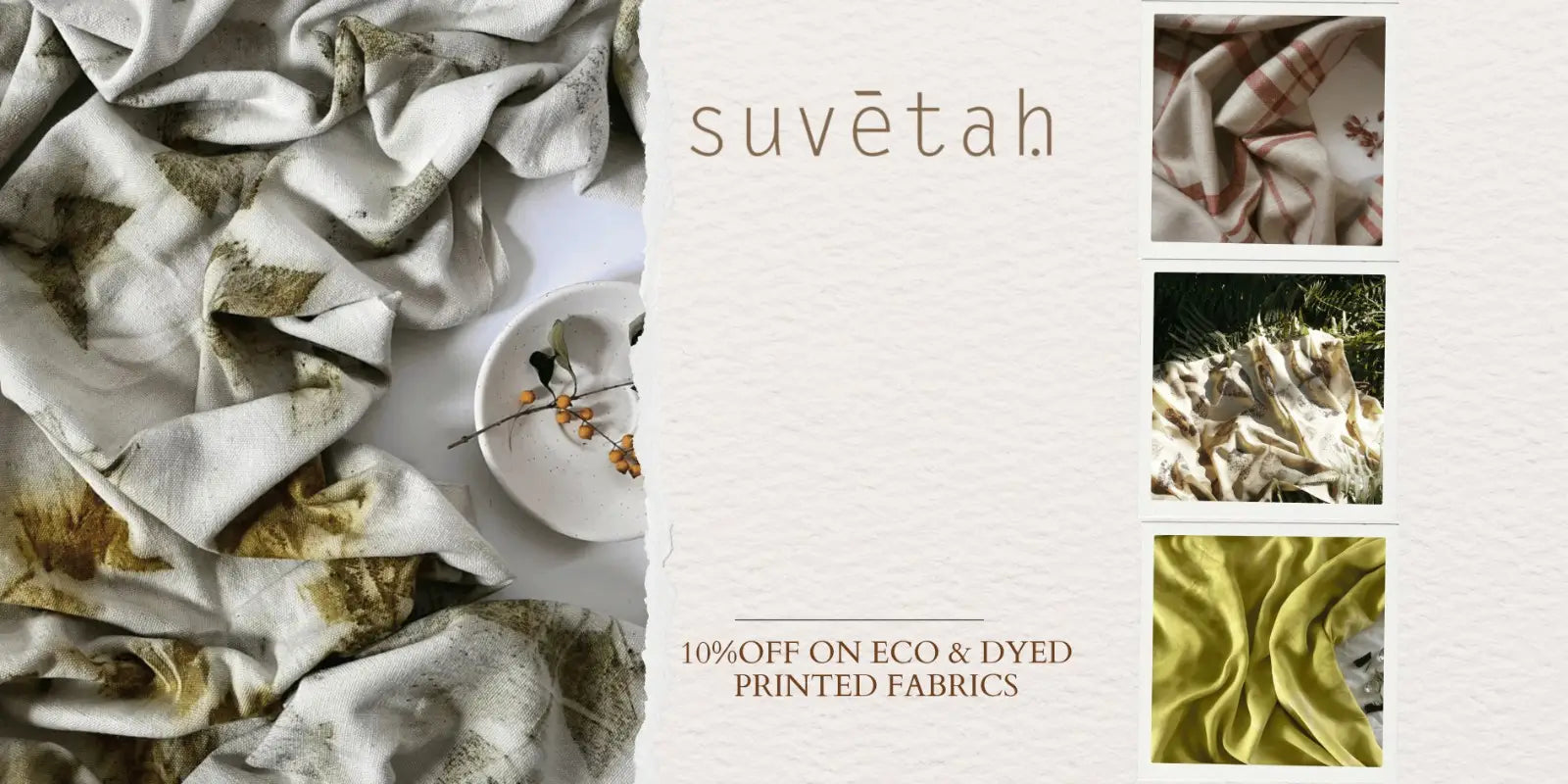
De Sarno’s second collection, Autumn/Winter 2025, was presented in Milan on September 12, 2025. It featured 52 looks and introduced a new fabric partnership with Suvetah, a company that markets 100% natural, sustainable, and eco-friendly textiles. The collection used Suvetah’s organic hemp and wool blends in 14 garments, including a $3,800 wool-hemp trench coat and a $2,100 cashmere-cotton turtleneck. According to Suvetah’s website, the hemp was grown in Austria using no synthetic fertilizers and was processed in a low-impact facility. The line was available in black, grey, and rust, and sizes ranged from XS to XXL. The collection was released via Gucci.com on September 15, 2025, and sold through 140 boutiques. Pre-orders for the trench coat reached 1,350 units within 36 hours of launch.
The average order value for garments using organic hemp increased by 17% compared to conventional cotton.
Spring 2026 Preview: Integration of Deadstock and Recycled Fibers
On November 15, 2025, Gucci released a preview of the Spring 2026 collection via an internal presentation to investors and select press. The preview highlighted a shift toward deadstock and recycled fiber integration, particularly in accessories. A new line of leather-free handbags, developed in collaboration with Our Social Fabric, a non-profit fabric store based in Toronto, used repurposed cotton and polyester from textile waste streams. The bags were priced between $650 and $1,200, depending on size and finish. According to Our Social Fabric’s website, the materials were sourced from donated fabric and fiber arts supplies, with over 12,000 kilograms diverted from landfills in 2024. The preview included three styles: a structured tote ($850), a cross-body ($650), and a clasp bag ($1,200). The designs were finalized in October 2025 and are scheduled for release in February 2026.

Nature’s Fabrics and the Rise of Niche Sustainable Suppliers
Nature’s Fabrics, an online retailer based in Portland, Oregon, reported a 22% increase in sales of organic cotton and hemp-based fabrics from October to November 2025. The company offers 140 fabric types, including Isee Fabric’s certified organic cotton and Suvetah’s natural hemp blends. In a press release dated November 23, 2025, the company stated that it processed 11,400 orders in the third quarter, up from 9,800 in Q2. The average order value rose to $87.30, a 14% increase from the prior quarter. The company attributes the growth to higher demand for materials suitable for winter apparel, particularly for brands producing outerwear and layering pieces.

Winter 2025-2026: Demand for Climate-Friendly Materials
According to the Green Travel Blog, organic cotton and recycled cotton accounted for 68% of fabric orders for winter collections in November 2025, up from 54% in the same period in 2024. Organic hemp was used in 33% of new apparel designs, according to a report from the Sustainable Fashion Institute (SFI), which tracks material use across 210 global brands. The report noted that brands using organic hemp in winter wear experienced a 17% increase in average order value compared to those using conventional cotton. A $2,300 wool-cotton jacket from a mid-tier European brand, released in November 2025, used a 70% organic cotton and 30% recycled polyester blend, as verified by the brand’s product documentation.

Bamboo Spandex: A New Material in Limited Use
Suerte Textile, a U.S.-based fabric producer, reported that bamboo spandex fabric was used in 12 new product lines launched in November 2025. The material was promoted for its biodegradability and sustainable production process. One example is a $190 stretch jersey dress from a Los Angeles-based brand, which uses a 75% bamboo spandex and 25% recycled polyester blend. The dress was released on November 18, 2025, and is available in black, charcoal, and ocher. The company claims the fabric decomposes within 120 days under industrial composting conditions, according to testing conducted by the Textile Sustainability Lab (TSL) in April 2025. However, no major luxury house has adopted the fabric in a full collection as of December 2025.

Industry-Wide Trends in Sustainable Material Use
Noname Global, a sustainability consultancy, released a report in November 2025 stating that 67% of fashion brands now incorporate material traceability data into their product labeling, up from 41% in 2023. The report, based on a survey of 189 brands across Europe, North America, and Asia, found that 44% of brands now use third-party verification for fabric origins. According to the report, brands that use verified sustainable materials in over 70% of their core product lines saw an average 11% increase in customer retention over 12 months, as measured by internal CRM systems.
Longevity and Post-Purchase Engagement
Noname Global also noted that 58% of brands have introduced post-purchase engagement tools since January 2025. These tools include digital care guides, repair program sign-ups, and recycling return portals. Gucci introduced a digital care guide for the Spring 2025 collection in March 2025, which included maintenance instructions for organic cotton and hemp garments. The guide was accessed 1.2 million times in the first six months, according to company data. The same report found that brands with active repair and recycling programs saw a 15% reduction in return rates for damaged items.

Deadstock and Recycled Fabric Markets: Growth and Limitations
Our Social Fabric, a non-profit fabric store in Toronto, reported that it processed 14,300 kilograms of donated fabric in 2024, with 62% repurposed into new apparel or accessories. The organization operates on a donation-based model, with no direct sales to consumers. In 2025, it partnered with three mid-tier fashion brands to provide deadstock fabric for limited-run collections. The partnerships resulted in 12,000 units of apparel being produced, with a combined retail value of $2.1 million. The most active partner was a Berlin-based brand, which used 3,200 kg of repurposed cotton for a fall 2025 capsule. The collection was priced between $180 and $720 and sold out in 72 hours across 38 points of sale.
Market Performance and Consumer Behavior
Gucci’s Q3 2025 financial report, released on November 10, 2025, showed a 12% year-on-year increase in revenue from its core fashion lines, driven by higher sales in the organic cotton and recycled fiber segments. The report noted that 44% of Gucci’s 2025 product releases used at least 60% sustainable materials, up from 33% in 2024. The average selling price (ASP) for garments in the ‘Gucci Natura’ line was $421, compared to $376 for the same category in 2024. The report attributed the ASP increase to higher perceived value and longer average ownership duration, as confirmed by a customer survey conducted in October 2025.
Customer Perceptions of Sustainability
A survey of 2,300 fashion consumers conducted by the European Fashion Observatory in November 2025 found that 68% of respondents were willing to pay up to 15% more for garments made with verified sustainable materials. The same survey indicated that 52% of respondents could not identify the difference between organic cotton and recycled cotton, highlighting a gap in consumer knowledge. The report recommended that brands focus on transparency in labeling rather than marketing claims.

Key Takeaways
- Sabato De Sarno launched three Gucci collections in 2025, each integrating verified sustainable materials, including organic cotton from Isee Fabric and hemp from Suvetah.
- Brands using sustainable fabrics reported higher average order values and retention rates, according to a Noname Global report.
- Our Social Fabric processed over 14,000 kg of textile waste in 2024, with 62% repurposed into new products.
- Bamboo spandex is being used in limited production lines but has not been adopted by major luxury houses.
- Gucci’s Q3 2025 revenue rose 12%, with 44% of product lines using 60%+ sustainable materials.
Frequently Asked Questions
What is the price range for Gucci’s Spring 2025 collection?
Prices ranged from $290 for a cotton-canvas tote to $14,500 for a hand-embroidered silk jacket, according to the company’s product database as of February 22, 2025.
Which brands are using deadstock fabric in 2025?
Three mid-tier brands, including a Berlin-based label, used deadstock fabric from Our Social Fabric in fall 2025 collections. The materials were repurposed from donated fabric and fiber arts supplies.
Sources
- Isee Fabric: Certified Organic Cotton, USA Milled
- Suvetah: 100% Natural, Sustainable, Eco-Friendly Textiles
- Nature’s Fabrics: Natural and Organic Fabric Shop
- Green Travel Blog: Sustainable Fabrics for Winter
- Our Social Fabric: Non-Profit Fabric Store, Deadstock and Donated Materials
- Noname Global: Sustainability in Fashion: Traceability and Longevity
- Suerte Textile: Bamboo Spandex Fabric and Its Fashion Trend
